

If you wish to let your pet to move around as they please without opening the door, you can put in a cat flap. But, it is recommended to engage a professional who is vetted to do so. They will help you navigate the complicated process of putting various types of cat flaps onto various walls and doors.
Installation
With a cat flap your pet is able to enter and leave the house at will without you having to open the door. There are many different types of pet flaps to choose from including microchip-reading and bite-proof doors to fully insulated cat flaps. They come in a variety frames and materials that range from plastic or PVC to aluminum and stainless. The kind of frame you select will have an impact on the total cost. Plastic and PVC frames are cheaper but are less durable, while aluminum or stainless steel ones are more expensive but last longer.
When selecting a frame for your cat flap, you should also think about the kind of access you wish to provide. If you want to restrict access to your pets, then you should opt for a secure pet flap. They use your pet's microchip or an infrared sensor to allow them inside. These are more expensive than standard pet doors, but they're worth the extra money for peace of mind.
Next, you need to choose which type of wall or door you'd like to install the flap in. The most popular installation locations are in doors, but they can also be put to windows and walls. The best method to finish the job is to work with a professional. They'll have the tools and expertise to ensure that your pet's flap is properly installed.
Many homeowners may try to install the flap themselves however, this could be dangerous and lead to costly repairs later on. It is also possible that they'll damage the door's surface or uPVC panel they're trying to put the flap into. It's generally cheaper to hire a tradesperson to perform the work to avoid problems like these.
When you install a cat flap be sure to keep in mind that it might take time for your pet to get used to it. It may take weeks, days, or even months for your pet to become comfortable with it. In the meantime, you can help them adjust by encouraging them to go through the flap with their favourite treat or by gradually de-sensitizing them.
Materials
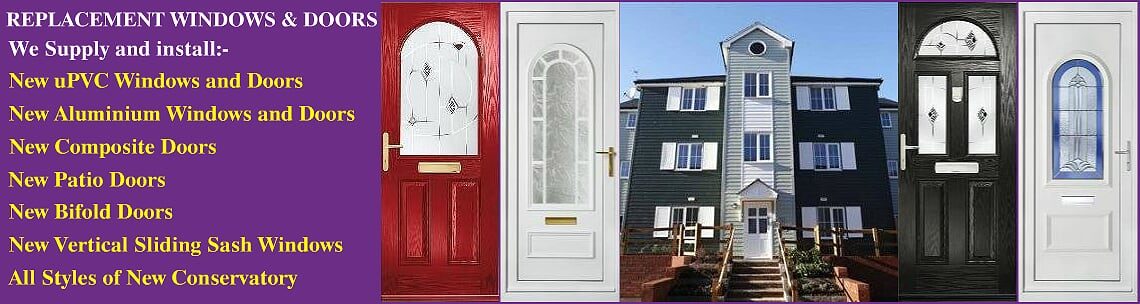
The materials used in the installation of a cat flap vary depending on the kind of cat flap and the door it is installed to. This includes a range of tools like a drill, file or jigsaw as well as a spirit level. These tools might require safety equipment, which can add to the overall cost of the project. Other materials, such as the cat flap itself may also be required. The type of material that the cat flap is framed in will also impact the total cost of the project. Plastic frames tend to be less expensive than stainless-steel or aluminum options.
Before you begin installing the cat flap Make sure you have read the instructions included in your kit. These instructions should include a diagram of the opening that you will use for your flap. This will give you an idea of where you should place the hole in your door and how big it should be. Use a spirit-level to ensure that the line is straight to your door. If you aren't sure about the position of your flap's opening, it is worth measuring from the floor to your cat's belly height. This will allow your cat to fit through the flap.
Once you've identified the area where the hole must be made, you can start to cut out your door. Make use of a spirit-level to ensure that the line is straight and prevent any mishaps. Be sure you're not cutting through gas, electricity, or waste pipes or structural joist (RSJ) in your door frame or wall. If you're unsure that you're not, it's recommended to hire an expert do the task for you.
After you've made the hole in the door it is a good idea to paint the outside of the door. This is especially important when the wood has been exposed. This will prevent moisture and water from soaking into the wood and damaging the wood. RepairMyWindowsAndDoors can also apply a sealant to safeguard the edges of your cut-out.
Labour
If you're looking to guarantee a professional job, it is worth hiring a vetted tradesperson to install your pet flap. It might cost a bit more, but you will be able to avoid any damage to your wall or door. It will also mean that your pet is more relaxed and less stressed when they go outside or returning. This means that they are less likely to scratch furniture or create mess inside the home and can result in costly repairs and replacements.
In addition to fitting the cat flap A professional will also be required to conduct a few tests and final adjustments to ensure that your pet can comfortably use it. This could involve setting the reader to only detect your pet's chip and making sure that your pet is comfortable using the flap.
The kind of cat flap you choose will also impact the labor costs. Certain types of flaps are more difficult to cut and will require more labor to install. A pet flap with a microchip for instance is more expensive than the standard model, but it offers more security as it allows only pets with a chip compatible to enter.
Certain cat flaps come with locks that can be helpful in keeping unwanted guests out. They can be faulty, and costly to replace. It is recommended to de-sensitize your pet to the flap first before installing one. You can help your pet become familiar with the flap using treats and leaving the flap open.
After the flap has been installed, you'll need to fix it using a bolt or an extra piece wood. This is a crucial step as it will prevent unwanted intruders from getting into your home. It is also important to paint the edge of the hole made in order to guard against water damage and rotting.
When you are looking for a tradesperson for your cat flap installation, it's a good idea to compare their pricing and reviews. This will ensure you get the best price for your project.
Insurance
Depending on the type of cat flap you pick the cost of installation will differ. PVC or plastic cat flaps are less expensive, however microchip cat flaps as well as advanced options can cost a lot. A knowledgeable professional can advise you on the best pet flap for your budget and needs.
The kind of door or wall that you need the cat flap to go into can also impact the cost. Professionals can install them on most types of doors, including composite, uPVC, and wooden doors. They may have to install an external frame in order to make the installation appear more tidy.
Before having a cat flap put in place, it is important to measure the height and width of your pet to ensure the flap will fit. This will prevent accidents, such as your cat sustaining injuries by jumping through windows.
The size of the flap is also important, as it should be large enough that your pet can easily pass through it. If the flap isn't big enough it could be difficult for your pet to get it open. They could end up stuck in the flap.
Consider the material of the flap and decide if you want it framed or not. Frames tend to be more expensive than unframed flaps, but they are more durable. Additionally, framed flaps are more secure than those that are not as they are less likely to be knocked off or stolen.
You should also think about any accessories you may require. You may need a collar tag read, a security lock and the pet-door lock. Microchip cat flaps are most expensive, but they are more secure and can be programmed to recognise only your pets.
A professional installer is required to install a cat flap correctly. A poor installation could cause injuries and damage. The security that comes with a professional installation is usually worth the extra expense. A good flap can assist in reducing heating and cooling costs by making your home more comfortable in the summer and warmer in winter. In addition, it can also increase the value of your property.